Your AC is running, the thermostat says cool, and the air coming out of the vents is barely colder than the hallway. On a 95-degree July afternoon in Denver, that is a miserable discovery. One of the most common causes is low refrigerant, and the fix is an AC refrigerant recharge — but only after the real problem gets handled.
Here is the part a lot of homeowners never hear: refrigerant is not fuel. Your air conditioner does not burn through it the way a truck burns gas. It circulates in a sealed loop, and the charge your system left the factory with should last its whole life. If the level is low, the refrigerant went somewhere. That means a leak.
This guide walks through the warning signs of low refrigerant, why federal law shapes how the work gets done, what is changing with refrigerants themselves, and what actually drives the price of a recharge in Colorado.
What an AC Refrigerant Recharge Actually Involves
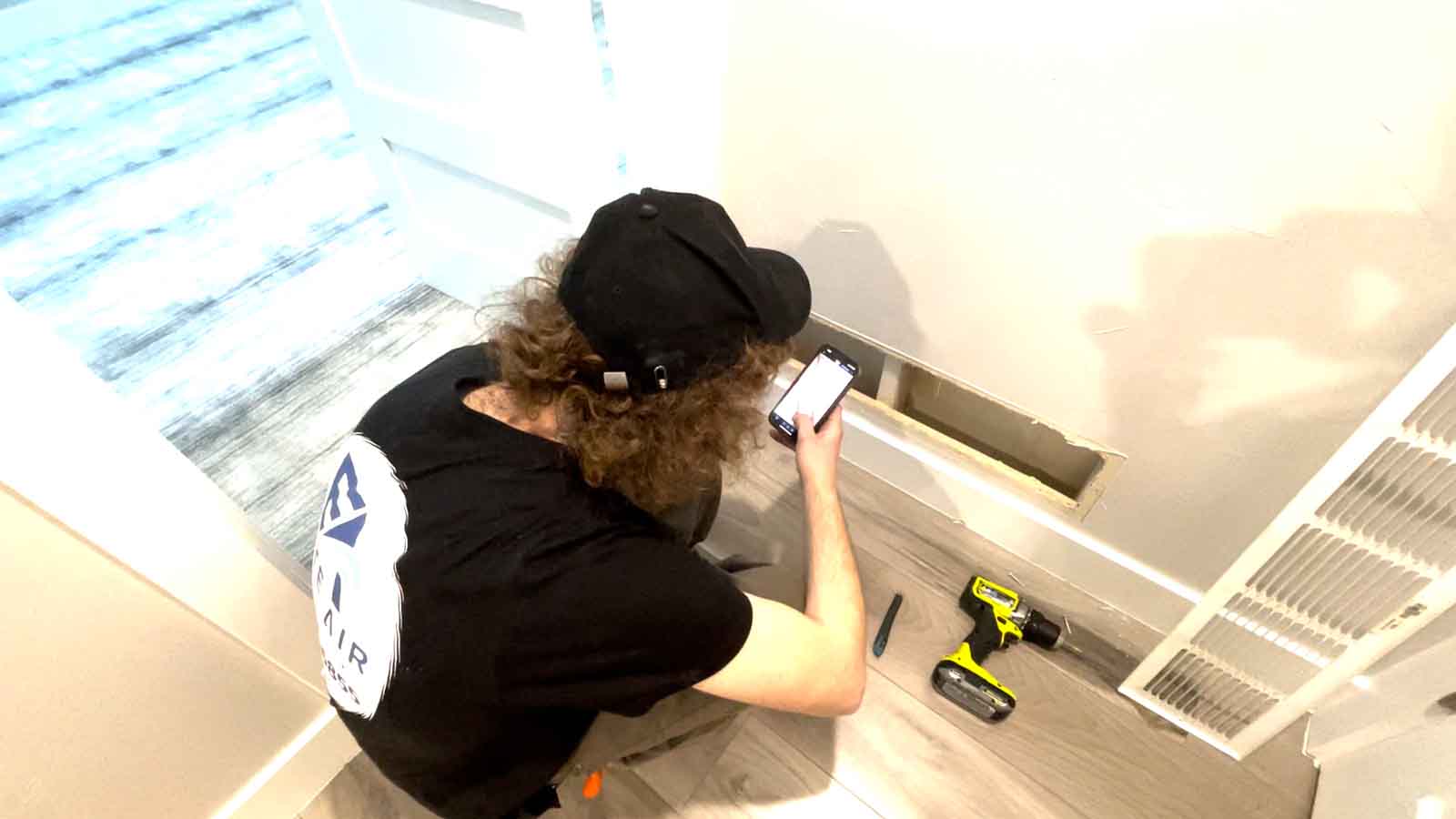
A recharge means a technician connects gauges to your system, measures pressure and temperature, and adds refrigerant until the charge matches the manufacturer's specification. Done right, it starts with diagnosis, not a hose. The tech checks superheat and subcooling numbers, inspects the coils and line set, and figures out why the charge dropped before adding a single ounce.
"Half the no-cool calls we run in July turn out to be low refrigerant. The system didn't use it up — it leaked out. Topping it off without fixing the leak just rents you a few weeks of cold air." — the Elite Air Duct crew
Both undercharging and overcharging hurt the system. Too little refrigerant starves the evaporator coil and can freeze it solid. Too much floods the compressor with liquid and can wreck it. This is precision work, which is one reason the EPA regulates who can do it.
Signs Your AC Is Low on Refrigerant
Low refrigerant announces itself if you know what to watch for. The common signs:
- Warm or weak cooling. The system runs constantly but the house never reaches the set temperature.
- Ice on the refrigerant lines or indoor coil. Low pressure drops the coil temperature below freezing, and moisture from the air freezes onto it. If you see frost on the copper line at the outdoor unit, shut the system off.
- Hissing or bubbling sounds. Refrigerant escaping through a pinhole can make a faint hiss; a gurgle can mean vapor in the liquid line.
- Long run times and rising electric bills. A starved system moves less heat per hour, so it runs longer to do the same job.
- Short cycling. Some systems trip a low-pressure safety switch and shut down repeatedly.
None of these signs is proof by itself — a frozen coil can also come from a clogged filter or a dirty coil, which is covered in our guide to evaporator coil cleaning. That is why gauges come before conclusions.
Why the Leak Gets Fixed First — EPA Section 608
Federal law treats refrigerants as regulated substances because many of them are potent greenhouse gases, and the older ones damaged the ozone layer. Under Section 608 of the Clean Air Act, anyone who services, maintains, or repairs equipment that could release refrigerant must hold EPA Section 608 certification. Knowingly venting refrigerant is illegal.
The practical effect for you as a homeowner:
- You cannot legally buy most refrigerants or charge your own central AC without certification.
- A reputable contractor will pressure-test or use an electronic detector to find the leak, quote the repair, and recharge only after the system holds.
- A company that offers to "just top it off" every season is selling you the same refrigerant twice a year and letting a known leak vent into the atmosphere.
"We put gauges on before we touch anything else. If the numbers say leak, we hunt it down with a detector before any refrigerant goes in. Anything else is guessing with your money." — the Elite Air Duct crew
Common leak points include the evaporator coil, the outdoor condenser coil, brazed joints on the line set, and the Schrader valves at the service ports. Some repairs are quick; a corroded coil may need replacement.
R-22, R-410A, and the New Refrigerants
Which refrigerant your system uses matters more than ever, because the industry is in the middle of a transition. Here is where things stand:
| Refrigerant | Status | What it means for you |
|---|---|---|
| R-22 (Freon) | Production and import ended in 2020 | Only reclaimed supply remains, so it is expensive. A major leak on an R-22 system usually points toward replacement. |
| R-410A | Being phased down under the federal AIM Act | Still widely available for servicing existing systems, but supply is shrinking over time and prices trend upward. |
| R-32 / R-454B | Standard in new equipment | Lower-global-warming refrigerants now shipping in new systems. They are mildly flammable (A2L class), so handling rules and equipment differ. |
If your system runs R-410A, there is no need to panic — it will be serviceable for years. But refrigerant type is one factor worth weighing when a repair bill starts approaching replacement territory. Our AC repair team can lay out both numbers so you can decide with real figures in front of you.
What Drives AC Refrigerant Recharge Cost
There is no single honest flat price for a recharge, because the job varies. The main cost factors:
- Refrigerant type. Reclaimed R-22 costs several times what R-410A does per pound.
- How much the system needs. A slightly low three-ton system needs far less than one that leaked out most of its charge.
- Leak location and repair. Tightening a valve core is cheap. Replacing an evaporator coil is not.
- Diagnostic time. Slow leaks can take dye testing or a nitrogen pressure test to pin down.
Along the Front Range, a straightforward leak check and top-off usually lands in the low hundreds of dollars, while a coil replacement plus a full charge can run well over a thousand. We give written quotes before work starts, so the number on the invoice matches the number you approved. A correctly charged system also depends on clean heat-transfer surfaces, so ask about condenser coil cleaning at the same visit, and make sure your thermostat is reading accurately before you blame the refrigerant.
Frequently Asked Questions
How much does an AC refrigerant recharge cost?
Most straightforward recharges with a leak check land in the low-to-mid hundreds of dollars in the Denver area. The total depends on refrigerant type, how many pounds the system takes, and whether a leak repair is needed. R-22 jobs cost significantly more because the supply is limited to reclaimed stock.
Can I recharge my home AC myself?
No — EPA Section 608 requires certification to purchase and handle most refrigerants for central air systems. Beyond the legal issue, charging by "beer can cold" instead of measured superheat and subcooling routinely damages compressors.
How often should an air conditioner need refrigerant?
Never, ideally. The refrigerant circuit is sealed, and a healthy system keeps its factory charge for decades. Needing refrigerant even once means there is a leak worth finding.
What happens if I keep running my AC low on refrigerant?
You risk killing the compressor, which is the most expensive component in the system. Low charge also freezes the indoor coil, and melting ice can overflow the drain pan and cause water damage.
Is R-410A being banned?
It is being phased down, not banned outright. Under the AIM Act, production shrinks on a schedule, and new equipment has moved to lower-impact refrigerants like R-32 and R-454B. Existing R-410A systems can still be serviced.
Get the Charge Checked Before the Heat Peaks
A refrigerant problem never fixes itself, and every week of running low grinds away at the compressor. Elite Air Duct has been running service calls across the Denver metro since 2014 — licensed, insured, EPA-certified for refrigerant work, with before-and-after readings documented on every job. Call (720) 551-5882 or request a free estimate, and if a Broncos flag is flying at the house, mention it — that is 10% off.