It's 6 a.m. in January, the house reads 58 degrees, and the furnace is blowing air that isn't warm. Every Denver homeowner meets that morning eventually — our heating season stretches from October into April, and no piece of equipment in the house works harder or longer than the furnace.
We've provided furnace repair in Denver since 2014, and the metro throws problems at heating systems that sea-level cities never see. A furnace here burns thinner air at 5,280 feet, rides 40-degree temperature swings between lunch and midnight, and runs six-plus months straight while semi-arid dust works into every component.
This page covers the repairs we make most, what a proper tune-up includes, and what to know before replacing a furnace at altitude.
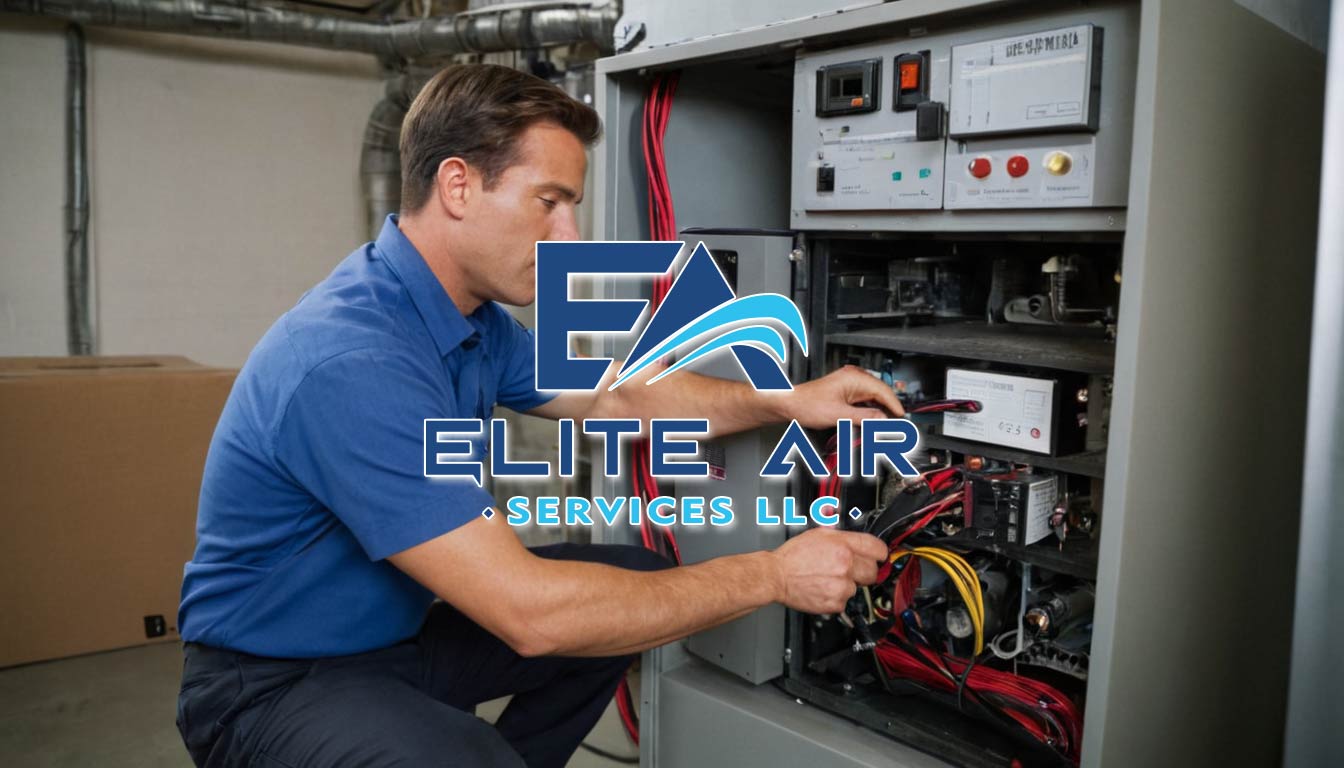
Furnace Not Heating? Start Here
Most no-heat calls trace to a short list of culprits, and the symptom usually points at the cause. Here's the map we run in our heads on the drive over:
| Symptom | Most Likely Cause | Typical Fix |
|---|---|---|
| Blower runs, air stays cold | Failed ignitor or gas valve issue | Ignitor replacement, valve service |
| Starts, then shuts off in minutes | Dirty flame sensor, overheating | Sensor cleaning, filter and airflow check |
| Won't start at all | Thermostat, power, or control board | Diagnosis first — often a cheap fix |
| Weak airflow from vents | Clogged filter or duct restriction | Filter change, blower and duct service |
| Banging or screeching | Blower motor, ignition delay | Motor service, burner cleaning |
| Burning or gas smell | Multiple — treat as urgent | Shut down and call immediately |
Before you call, run the ninety-second homeowner check: thermostat set to heat and above room temperature, furnace switch on (it looks like a light switch and gets bumped constantly), breaker not tripped, and filter not packed solid. Those four items resolve a surprising share of "dead" furnaces at no cost.
If none of that revives it, our techs diagnose before they replace anything, and the diagnostic fee gets credited toward your repair. Common furnace fixes and their price ranges are listed on our HVAC pricing page, so you can see the numbers before we knock.
High-Altitude Furnace Work Is Its Own Trade
Furnaces are rated at sea level, and Denver isn't close. Air at 5,280 feet holds less oxygen per cubic foot, so a furnace burns differently here — manufacturers require capacity derating of roughly 2 to 4 percent per thousand feet of elevation, plus gas pressure and combustion adjustments to match.
Skip that setup and you get the failures we're called to fix: furnaces that short-cycle, burn dirty, soot up their heat exchangers, or never deliver rated heat on the coldest nights. Plenty of them were installed by out-of-state chains working from sea-level playbooks.
"A furnace at 5,280 feet burns differently than the factory settings assume. Derating isn't optional up here — it's physics." — the Elite Air Duct crew
The Furnace Tune-Up That Earns Its Fee
A furnace tune-up in Denver isn't a courtesy visit — it's the maintenance that decides whether your system survives the season. Here's what ours covers, in the order we do it:
- Combustion check — burners cleaned, flame quality inspected, gas pressure verified for altitude
- Heat exchanger inspection — the safety-critical step, checking for cracks that can leak carbon monoxide
- Ignition and sensors — ignitor tested, flame sensor cleaned, safety switches verified
- Blower and airflow — motor amp draw, wheel cleaning, filter check, temperature rise measured
- Thermostat verification — accurate readings and proper cycling; full calibration details in our thermostat guide
- Written report — what we found, what we did, and anything to watch, on paper
Book it in September or early October. Once the first real cold front drops off the Rockies, every furnace problem in the metro surfaces the same week, and tune-up slots vanish behind emergency calls.
"Most November no-heat calls trace back to a furnace that skipped its fall tune-up. Book it in September and beat the rush." — the Elite Air Duct crew
Furnace Installation in Colorado: When and What
Furnaces last 15 to 20 years, less when maintenance was spotty. Replacement earns a serious look when a repair passes a third of new-furnace cost on a unit older than 15, when heating bills climb without explanation, or when the heat exchanger cracks — that one isn't a judgment call, it's a safety decision.
Sizing at altitude is where installations succeed or fail. A furnace sized from square footage alone, without accounting for derating and Denver's long heating season, either runs constantly or short-cycles itself to an early death. We size from a load calculation and set up combustion for your elevation, whether you're in the city or up the hill in Castle Rock.
Efficiency choices matter more here than in mild climates because of how many hours a Colorado furnace runs. High-efficiency condensing furnaces (96%+ AFUE) cost more up front but pay back through six months of runtime a year, and Xcel Energy rebates for qualifying high-efficiency equipment soften the difference. Typical installed costs run $3,500 to $8,000 — full ranges on our pricing page.
Surviving a Six-Month Heating Season
Denver's heating season regularly runs October through April, with cold snaps possible on either shoulder — plenty of locals remember snow in May and heat the same week. That's over 3,000 hours of runtime in a typical year, which is why a Denver furnace ages faster than the same model in a mild climate and why small habits carry so much weight here.
The habits that keep our repair phone quiet:
- Check the filter monthly during heating season — dust load here clogs them faster than the packaging claims
- Keep supply and return registers open and unblocked, even in rooms you don't use
- Listen for changes — new rattles, delays, or smells are the furnace asking for help early and cheap
- Clear snow away from intake and exhaust pipes after storms on high-efficiency units
- Program setbacks modestly — a 15-degree overnight drop makes the morning recovery brutal on the equipment
None of that replaces professional service, but homes that do these five things see us for tune-ups instead of breakdowns. That's the version of this relationship we prefer too.
Safety First: Carbon Monoxide and Your Furnace
A gas furnace produces carbon monoxide by design; a healthy one vents every bit of it outdoors. Cracked heat exchangers, blocked venting, and bad combustion setup are the failure points, which is why they headline every inspection we do. Put CO detectors on every level of your home and test them when you change your filter.
Airflow is part of furnace safety too — a system starved by dirty ducts and clogged filters overheats, and overheating cracks heat exchangers. Keeping the delivery side clean with air duct cleaning and regular filter changes protects the furnace, not just your air.
"If your carbon monoxide detector goes off, leave the house first and call from the driveway. Nothing in the mechanical room outranks your family." — the Elite Air Duct crew
Frequently Asked Questions
How much does furnace repair cost in Denver?
Common repairs — ignitors, flame sensors, thermostats — typically run $150 to $450, while blower motors and control boards range $300 to $900. Diagnosis comes first and the fee credits toward the fix. Every repair gets a written price before work begins.
Why is my furnace running but not heating?
Usually a failed ignitor, a dirty flame sensor shutting the burners down, or a gas supply issue. The blower keeps moving unheated air, so vents blow cool. Check your thermostat and filter first; if those are fine, it's a service call — the fix is often one inexpensive part.
How often does a furnace need a tune-up?
Once a year, ideally in early fall before the heating season starts. Denver furnaces run six months or more annually, so skipping a year here is like skipping two somewhere mild. Annual service also keeps most manufacturer warranties valid.
Does altitude really affect my furnace?
Yes — thinner air at Denver's elevation changes combustion, and manufacturers require derating of roughly 2 to 4 percent per thousand feet. A furnace set up for sea level runs inefficiently and can soot up or short-cycle. Altitude setup is standard on every furnace we install or service.
When should I replace my furnace instead of repairing it?
When the unit is past 15 years and the repair passes a third of replacement cost, or immediately if the heat exchanger is cracked. Rising bills and uneven heat are supporting evidence. We put repair and replacement numbers side by side so the decision is yours, made with real figures.
Do you service furnaces outside Denver proper?
Yes — the crew covers the metro and south through Douglas County, including Castle Rock and Greenwood Village. Same free estimates and written quotes everywhere we roll.
Keep the Heat On
A Denver furnace earns its keep for half the year, and it repays maintenance better than any machine you own. Whether it's a cold-morning repair, a fall tune-up, or a replacement sized right for altitude, start with a free estimate — licensed, insured, since 2014, and 10% off under a Broncos flag. (720) 551-5882.