Your ductwork does not send maintenance reminders. It just quietly collects whatever your home's air carries — dust, dander, pollen, the occasional mouse — until the evidence starts leaking out into daily life. The trick is knowing which signs your air ducts need cleaning are real, and which ones are sales pitches wearing a symptom costume.
Below are seven signs that genuinely point toward dirty ductwork, drawn from what our crew actually finds inside Denver-area systems — plus a few widely repeated "signs" that usually mean something else entirely.
Sign 1: Dust Puffs When the System Kicks On
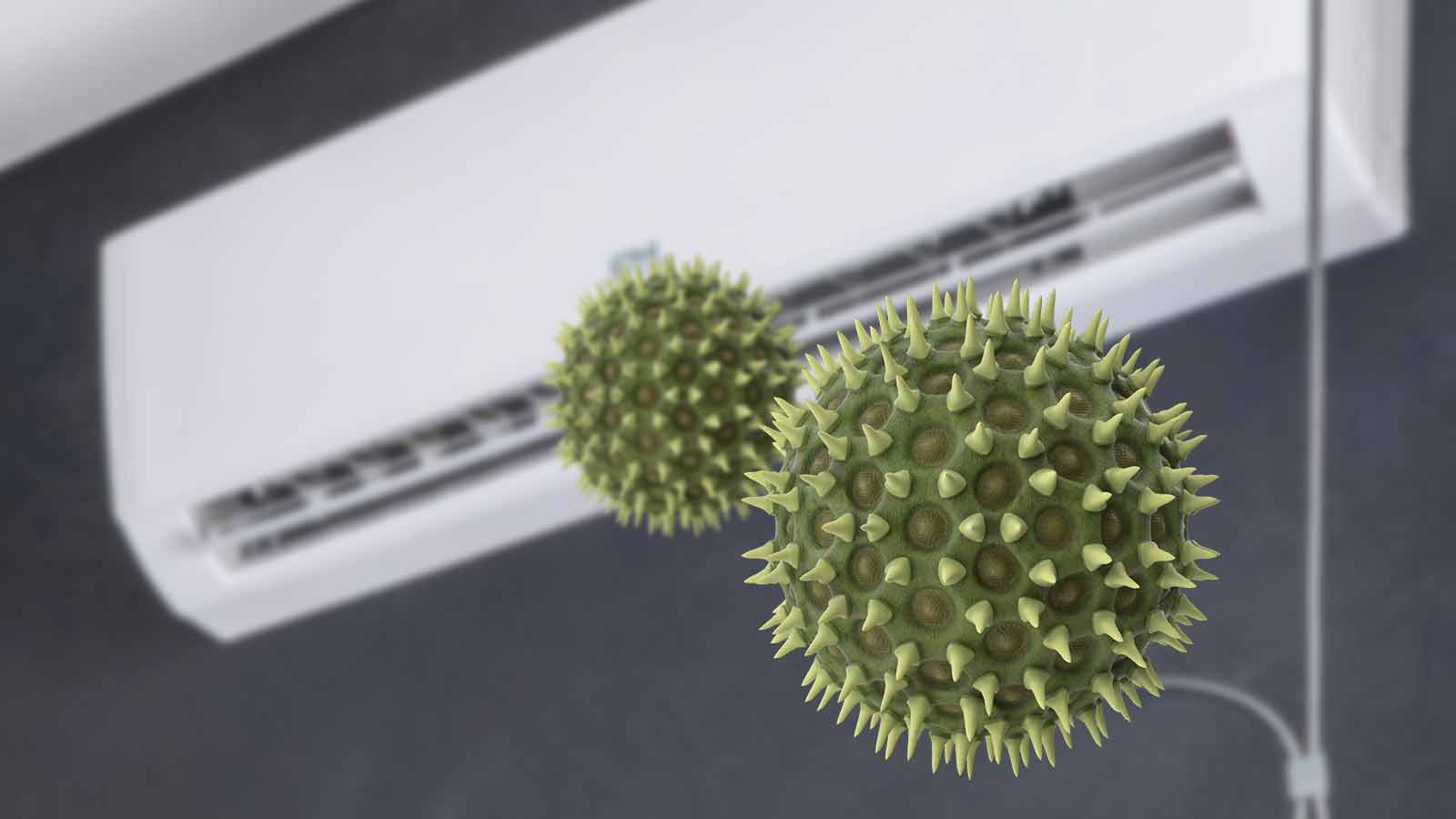
Stand near a supply register when the furnace or AC starts up. A visible puff of dust riding the first blast of air is about as direct as evidence gets — that dust is sitting inside the duct, waiting for airflow to launch it. A related check: swipe the register grille with a finger. A film that returns within a day or two of cleaning suggests the supply behind it is loaded.
Sign 2: Dust Returns Fast, Everywhere
Every home collects dust, but the rate tells a story. If you can dust the whole house on Saturday and see a fresh layer by Tuesday, your HVAC system may be redistributing stored dust on every cycle. This is worth reading alongside your filter habits — a gray, overloaded filter means dust is winning upstream too, and our air filter cost guide covers how to fix that cheaply.
Sign 3: Allergies Act Up Indoors
Sneezing that starts when the heat kicks on, congestion that eases when you leave the house, itchy eyes at home in every season — a pattern of indoor-triggered symptoms can point to allergens cycling through the ductwork. The EPA has found indoor air often carries two to five times the pollutant concentrations of outdoor air, and ducts that store dander, pollen, and dust-mite debris keep those allergens in rotation. We dig into this connection in our guide to air duct cleaning for allergies.
"When somebody tells us their nose knows which room the thermostat just turned on, that's not a joke to us — that's a symptom with a street address." — the Elite Air Duct crew
Sign 4: A Musty Smell Rides the Airflow
A stale, earthy, or sour smell that arrives with the airflow — strongest at startup, fading as the cycle runs — means the odor source sits inside the system: settled debris, moisture, or microbial growth on duct surfaces or the coil. Air fresheners cannot fix a smell the system re-delivers every cycle. Our guide to musty smells from air vents maps each odor type to its likely source.
Sign 5: Evidence of Pests
Any of these findings settles the question on its own:
- Droppings near registers or inside the return
- Gnawed or torn flex duct
- Scratching or scurrying sounds in walls and floors
- A dead-animal smell concentrated in one section of the house
Once rodents or insects have used your ducts, cleaning and sanitizing is warranted no matter how recently the system was serviced. The order matters: seal the entry points first, then clean, or the tenants come back.
Sign 6: Uneven Airflow Room to Room
One weak register in an otherwise strong house can mean debris buildup, a crushed duct run, or a disconnection dumping that room's air into a crawlspace. Compare airflow by hand at each register. Big differences justify a camera ductwork inspection before anyone sells you anything — cleaning fixes debris, but only repair fixes a crushed or disconnected run.
Sign 7: You Just Finished a Renovation
Drywall dust is the finest, most invasive debris a duct system meets, and it laughs at plastic sheeting. If the system ran at any point during a remodel — or the ducts sat open — assume they collected construction dust. This is one of the few situations where cleaning is close to automatic, and it is the perfect time to have the crew look at everything, including the dryer vent if laundry areas were touched.
Three "Signs" That Usually Lie
Honesty cuts both ways, so here are common claims that do not hold up:
- "It's been a year, so they're dirty." Time alone proves nothing. NADCA's typical guidance runs three to five years, and condition beats calendar every time.
- "Your energy bills are high, so clean the ducts." High bills more often trace to duct leaks, a dirty coil, or a failing blower. An inspection sorts out which.
- "Everyone's been sick, so it must be the ducts." Sometimes related, often not. The EPA is clear that duct cleaning has not been shown to prevent health problems in general — the strong cases are visible mold, pests, and heavy debris.
"We've told plenty of homeowners their ducts don't need us yet. That costs us a job and buys us a customer for life — the math works fine." — the Elite Air Duct crew
Quick Reference: Symptom to Likely Cause
| What you notice | Most likely cause | Best first step |
|---|---|---|
| Dust puffs from registers | Debris in supply ducts | Duct cleaning |
| Fast-returning household dust | Loaded ducts and/or weak filtration | Upgrade filter; inspect ducts |
| Indoor-only allergy symptoms | Allergen reservoir in system | Filter upgrade + inspection |
| Musty smell with airflow | Moisture, growth, or debris in system | Inspection to locate source |
| Droppings, gnaw marks, odors | Pest intrusion | Seal entries, then clean and sanitize |
| One starved room | Crushed, blocked, or disconnected run | Camera inspection |
| Post-remodel dust film | Construction debris in ducts | Duct cleaning |
Frequently Asked Questions
How do I know for sure my air ducts need cleaning?
Look for direct evidence: visible dust discharge from registers, verified pest activity, musty odors carried on airflow, or heavy debris confirmed by a camera inspection. Multiple soft signs together — fast dust, indoor allergies, uneven flow — justify an inspection to confirm.
How often should air ducts be cleaned?
There is no fixed schedule. NADCA guidance commonly works out to every three to five years, sooner with pets, smokers, renovations, or pest problems, and later for clean, well-filtered homes.
Can I check my own ducts?
Partly. Remove a register, wipe inside with a damp paper towel, and photograph what you can see with a phone flashlight. You can spot heavy buildup this way — but only a scope reaches the trunk lines where the real story lives.
Will duct cleaning reduce dust in my house?
If the ducts are genuinely loaded, yes — removing the reservoir means less dust recirculating. If the ducts are already clean, it will change little, which is why we inspect before we recommend.
Does a dirty system cost me money even before cleaning is needed?
Yes. Debris on coils and blowers makes equipment work harder, and the U.S. Department of Energy identifies dirty HVAC components as a common source of wasted energy. Filters and coil care handle most of that between duct cleanings.
Trust the Evidence, Not the Calendar
If your house is showing two or three of the real signs above, get eyes inside the ductwork before deciding anything. Elite Air Duct has inspected and cleaned Denver-area residential systems since 2014 — licensed, insured, camera proof and before-and-after photos on every job, and a written quote before work starts. Call (720) 551-5882 or request a free estimate; a flying Broncos flag knocks 10% off.