Colorado allergy sufferers get a raw deal. The same climate that gives us 300 days of sunshine also delivers one of the longer, punchier pollen calendars in the country — juniper firing as early as February, tree pollen peaking through spring, grasses carrying the misery through summer, and weeds closing out the season into fall. When symptoms follow you indoors, air duct cleaning for allergies becomes worth a serious look, because your HVAC system may be storing and re-serving the very particles you came inside to escape.
This guide covers when Colorado pollen actually peaks, how ductwork turns into an allergen reservoir, and the honest answer on what duct cleaning can and cannot do for your symptoms — plus the filtration pairing that does most of the heavy lifting.
Colorado's Pollen Calendar, Season by Season
Knowing what is flying and when helps you connect symptoms to sources:
| Season | Dominant allergens along the Front Range |
|---|---|
| Late winter (Feb-Mar) | Juniper and cedar pollen — the earliest offenders |
| Spring (Apr-May) | Tree pollen: elm, ash, cottonwood, maple, oak |
| Early summer (Jun) | Cottonwood seed fluff plus grass pollen ramping up |
| Summer (Jun-Aug) | Grasses; smoke particles during wildfire events |
| Late summer-fall (Aug-Oct) | Weeds, ragweed, and dust kicked up by dry winds |
| Year-round | Dust, dust-mite debris, pet dander, semi-arid fine grit |
One Colorado footnote: the white June "snow" from cottonwoods is seed fluff, not pollen — cottonwood pollen actually flies earlier in spring. But that fluff is a mechanical menace, matting filters, clogging outdoor coils, and hitching into returns. Either way, cottonwood season is when HVAC systems suffer.
How Ductwork Recirculates Allergens
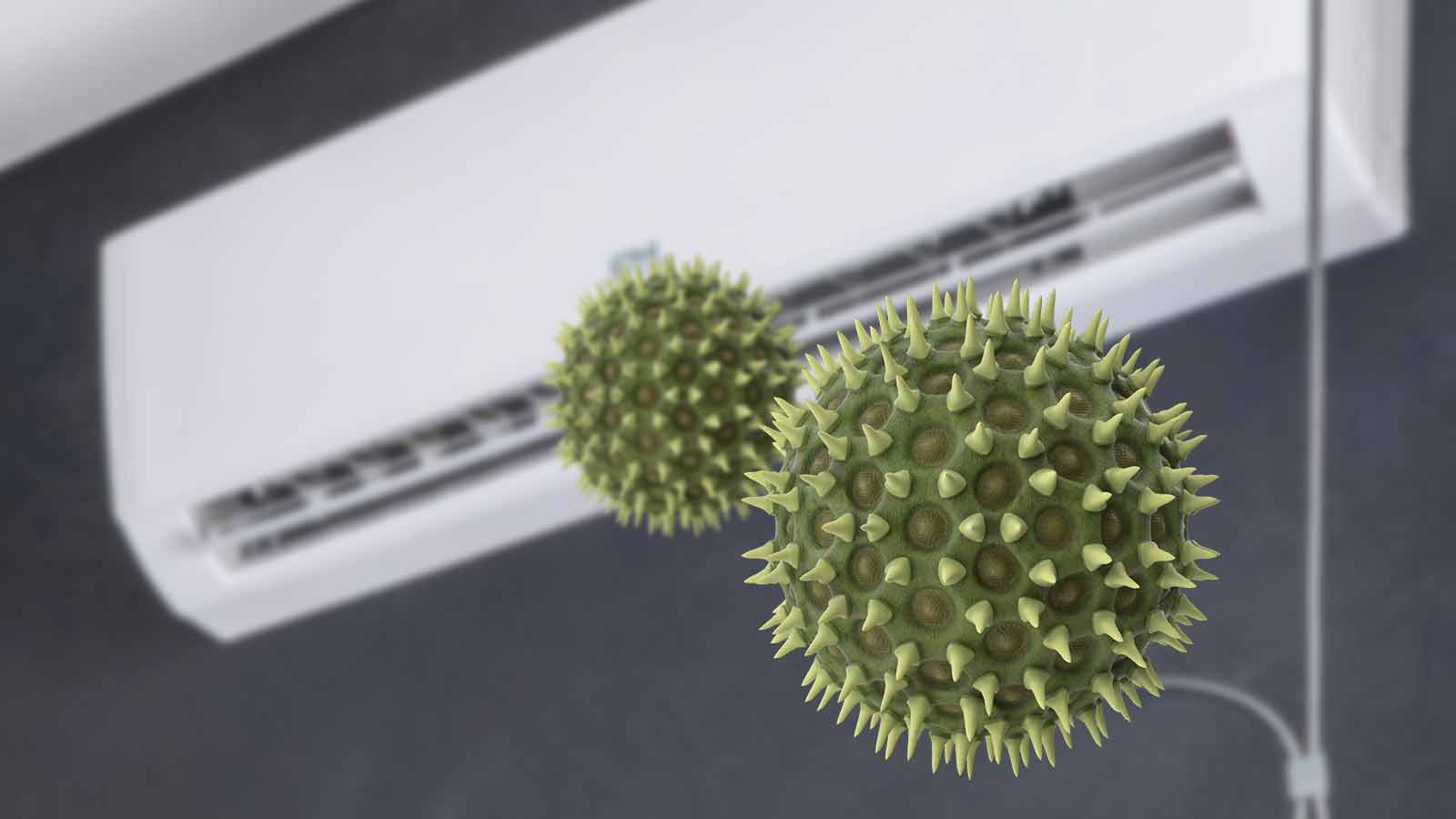
Pollen gets indoors the ordinary ways — open doors, windows, clothes, pets — and every particle that goes airborne eventually rides your return air into the HVAC system. What the filter catches is gone. What slips past settles: on duct walls, in the blower housing, on the evaporator coil, in low spots of flex duct.
Settled is not the same as gone. Each time the blower kicks on, air moving through the ducts re-suspends a share of the stored load and delivers it to every room. That is why allergy sufferers sometimes notice symptoms spike right when the system starts — and why the EPA's finding that indoor air commonly runs two to five times more polluted than outdoor air surprises nobody in this trade.
"Pollen season ends outside on schedule. Inside a dirty duct system, it can run all year — the ducts don't read the calendar, they just re-serve whatever's stored in them." — the Elite Air Duct crew
Add pet dander and dust-mite debris — allergens with no season at all — and ductwork can keep a sensitized household symptomatic long after the trees quit.
The Honest Part: What Cleaning Can and Cannot Do
Straight talk, because it matters: the EPA does not claim duct cleaning prevents health problems across the board, and neither do we. If your ducts carry a light, normal dust film, cleaning them will not transform your allergies. Where cleaning earns its keep for allergy households:
- A confirmed reservoir. A camera inspection shows real buildup — dander mats, pollen-laden dust, debris — that airflow keeps re-suspending.
- Pest or rodent history. Droppings and nesting material are potent allergen sources on their own.
- Post-renovation dust loaded with fine particles that irritate airways regardless of allergy status.
- Visible microbial growth on duct surfaces — mold spores are allergens, and growth warrants removal plus fixing the moisture behind it.
That is why our process starts with a ductwork inspection, not a sales pitch. If the scope shows clean ducts, you will hear that, and we cover the full honest breakdown in our guide to the real benefits of air duct cleaning.
The Combo That Works: Cleaning Plus Filtration
For allergy relief, duct cleaning is the reset button — filtration is the ongoing defense. One without the other underperforms:
- Clean out the stored load. Source-removal cleaning with negative pressure and HEPA-filtered vacuums empties the reservoir, so the system stops re-serving last spring's pollen.
- Upgrade the filter. A MERV 11-13 filter captures pollen and most dander before it reaches the ducts again. Get the sizing right — our air filter replacement cost guide explains why an overly restrictive 1-inch filter backfires and when a 4-inch media cabinet makes sense.
- Change it on Colorado time. During peak pollen and cottonwood season, check monthly. A loaded filter starts bypassing exactly when you need it most.
- Mind the humidity. Our semi-arid air keeps dust airborne longer; extremely dry indoor air also irritates airways. Moderate humidification helps some households, but keep it modest — dust mites and mold love the other extreme.
"The filter is the goalie and the duct cleaning is clearing the crease. Ask either one to play alone and you'll give up goals." — the Elite Air Duct crew
Extra Moves for High-Pollen Weeks
Small habits stack up during the rough weeks:
- Run the system fan on a timed circulation setting during high-pollen days so air keeps passing through the filter — a programmable thermostat makes this automatic.
- Keep windows shut on high-count mornings; pollen release typically peaks early in the day.
- Shoes off at the door, and brush pets before they come in.
- Vacuum with a HEPA machine so you are capturing allergens, not aerosolizing them.
- Track local pollen counts and schedule outdoor work for after rain, which knocks pollen down.
- Rinse cottonwood fluff off the outdoor unit with a garden hose during June so the system is not fighting a matted coil on top of everything else.
None of these habits replaces cleaning a genuinely loaded system, but together they cut how much new material reaches your ducts in the first place — which stretches the years between cleanings.
Frequently Asked Questions
Does air duct cleaning help with allergies?
It helps when your ducts actually hold an allergen reservoir — confirmed buildup, pest debris, renovation dust, or mold — because removing the stored load stops the system from recirculating it. For ducts with only light dust, filtration upgrades deliver more relief per dollar.
When is allergy season in Colorado?
Longer than most people think: juniper can start in February, trees peak April through May, grasses run June through August, and weeds carry into October. Indoor allergens like dander and dust mites have no off-season.
What MERV rating is best for allergies?
MERV 11-13 captures pollen, dander, and fine dust effectively. Go 13 if your system can handle the airflow restriction — a 4-inch media filter usually can; a cheap 1-inch slot may not.
How often should allergy sufferers replace filters?
Check monthly during spring and cottonwood season and any wildfire smoke period; replace 1-inch pleated filters at least every 60-90 days and 4-inch media filters every 6-12 months.
Why do my allergies flare when the heat or AC turns on?
Startup airflow re-suspends particles settled in ducts and equipment since the last cycle. If the pattern is consistent, that points to a stored load worth inspecting — see our rundown of the signs your air ducts need cleaning.
Make Indoors the Safe Zone Again
You cannot control what Colorado's trees and grasses do, but you can control what your ductwork stores and re-serves. Elite Air Duct has helped Front Range allergy households breathe easier since 2014 — licensed, insured, camera-verified findings, and before-and-after photos on every job. Call (720) 551-5882 or book a free estimate before the next pollen wave, and mention the Broncos flag for 10% off.